 12
Drying/Carbonization Equipment
How Much Can Carbonization Reduce Waste Weight? Evidence from 13 Bench Tests
How do feed type and test conditions affect weight before and after heating? We compare 13 small-scale trials.
Read article
TECHNICAL COLUMN
Technical column on sludge dewatering, chemical preparation, sedimentation separation, heating and heat treatment equipment. We will explain the concept of equipment selection based on processing principles, design indicators, and operation evaluation.
From operating principles to assessment on site.
ARTICLES
15 items
Articles in this category will be published sequentially.
12Drying/Carbonization Equipment
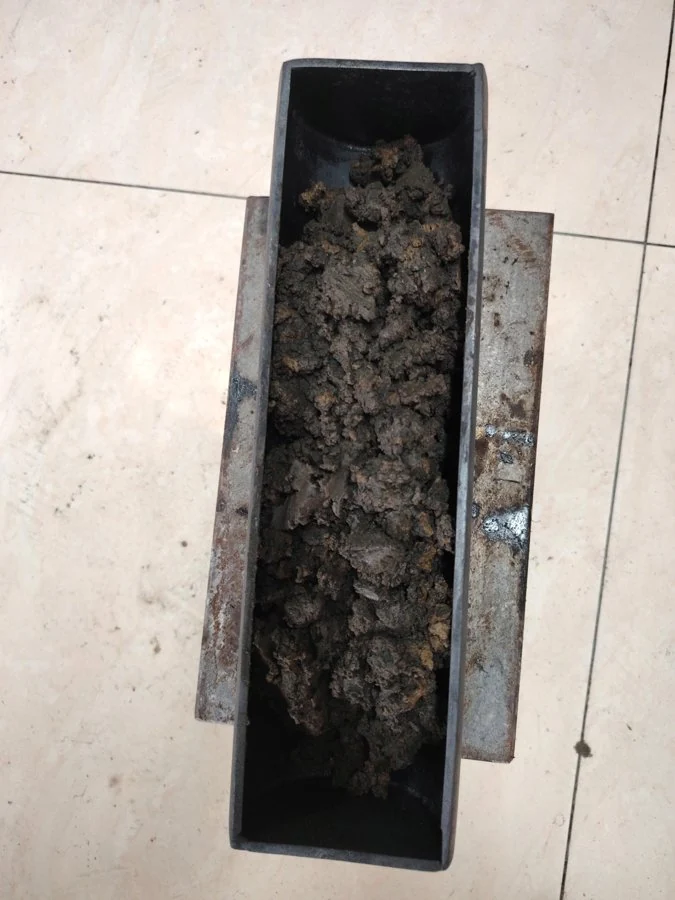
How do feed type and test conditions affect weight before and after heating? We compare 13 small-scale trials.
Read article13Drying/Carbonization Equipment
Domestic and copper-bearing sludge tests illustrate moisture-inclusive weight changes and the key equipment considerations.
Read article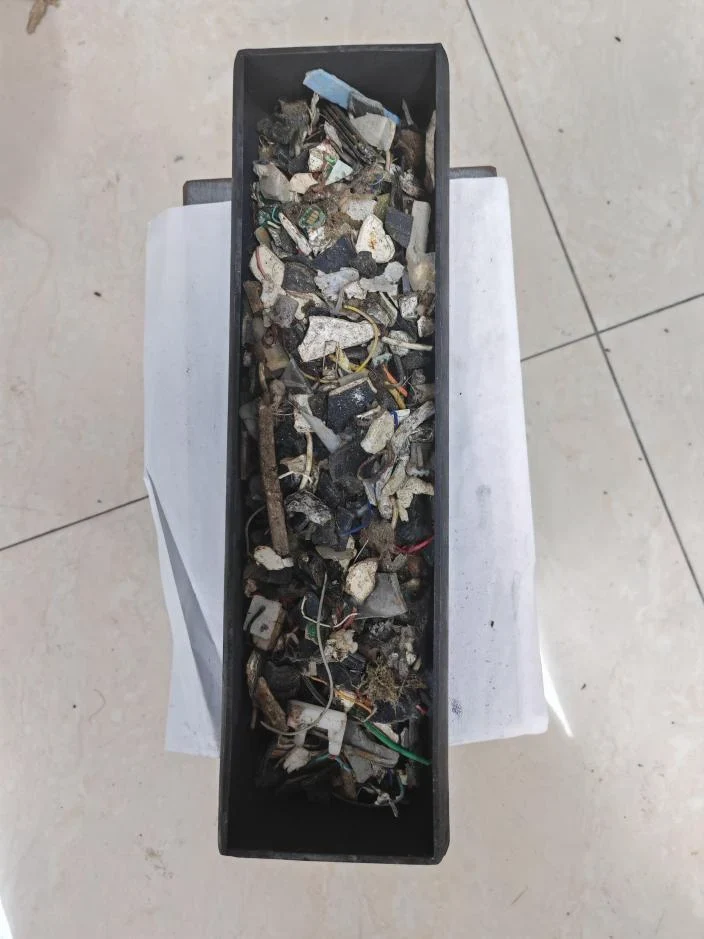 14
Drying/Carbonization Equipment
Electronic boards combine resins, glass fibers and copper. We examine carbonization weight changes and a separate separation trial.
Read article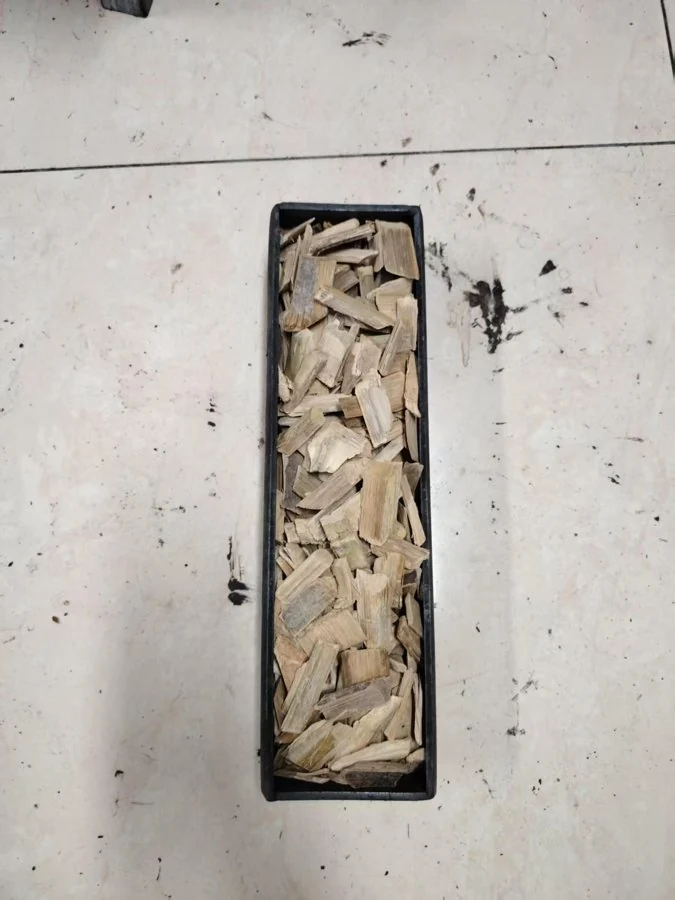 15
Drying/Carbonization Equipment
A comparison of test conditions and weight changes for five plant-based feedstocks.
Read article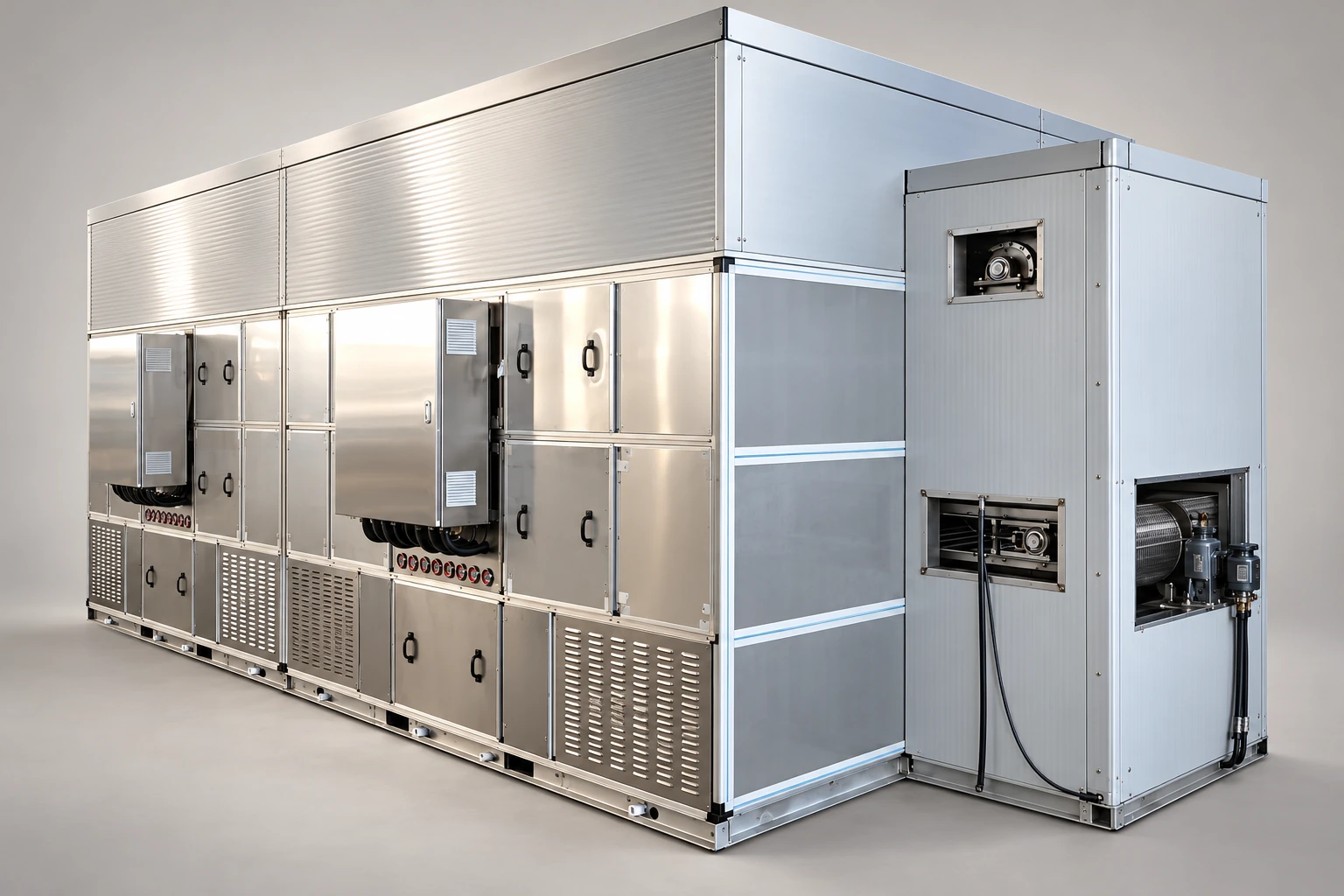 08
Drying/Carbonization Equipment
Learn how stickiness, particle size and dust formation affect dryer selection and target moisture content for sludge from food processing, sewage treatment, ceramics and metalworking.
Read article09Drying/Carbonization Equipment
Compare the theoretical water balance at 70% and 60% cake moisture, then assess batch discharge, continuous feeding, buffering and total treatment cost.
Read article10Drying/Carbonization Equipment
See how closed-loop air reheating, cooling and heat recovery work, how to read supply and return temperatures, and how to compare drying methods.
Read article11Drying/Carbonization Equipment
Find out why sludge clumps on mesh belts, how to check bed depth, airflow and residence time, and when to assess gas and dust hazards.
Read article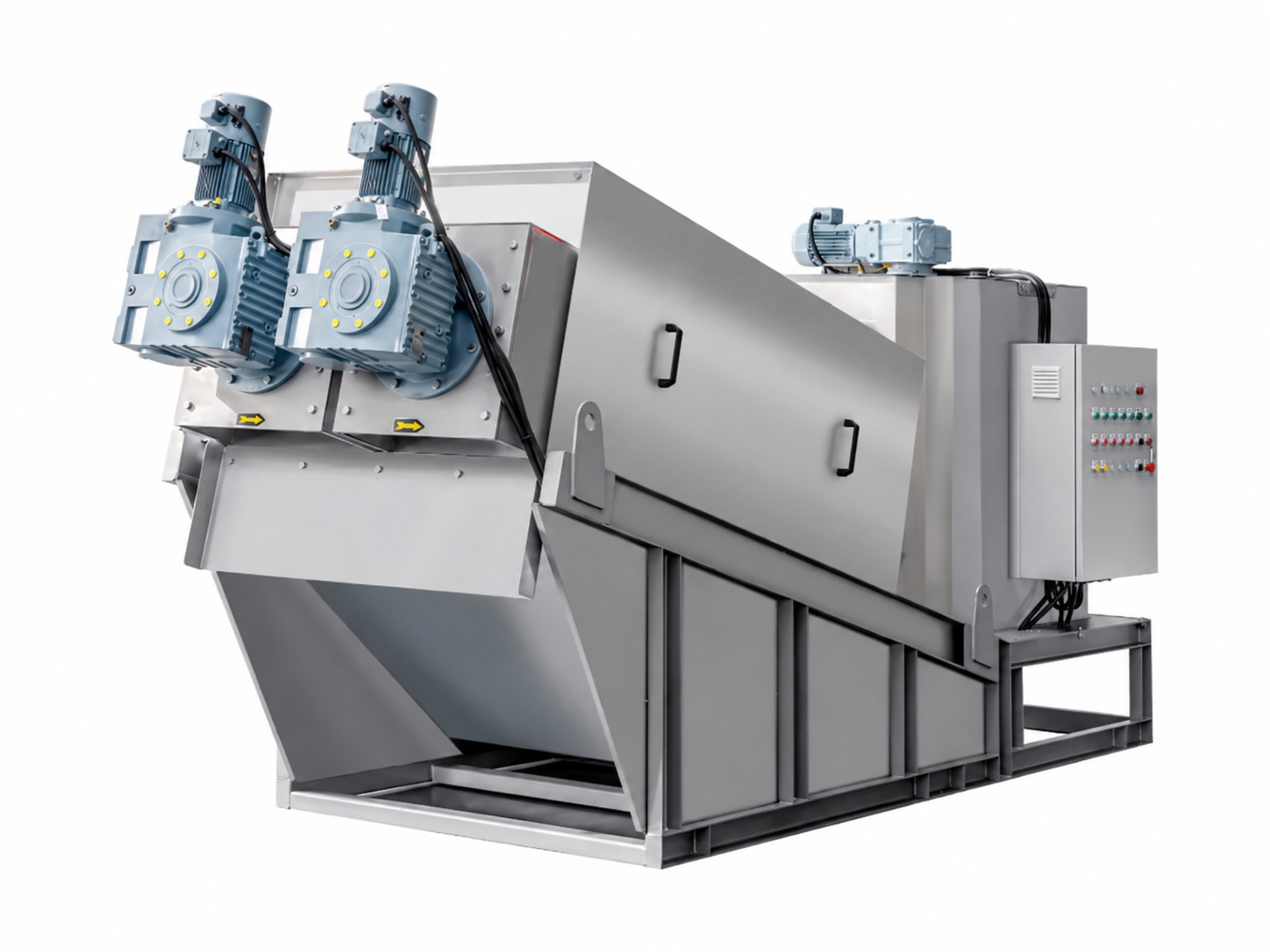 01
Water Treatment & Sludge Dewatering
We will explain how to evaluate a stacked screw press based on the relationship between agglomeration and back pressure conditions, and cake Moisture Content and Solids recovery rates, with the throughput measured in terms of DS load.
Read article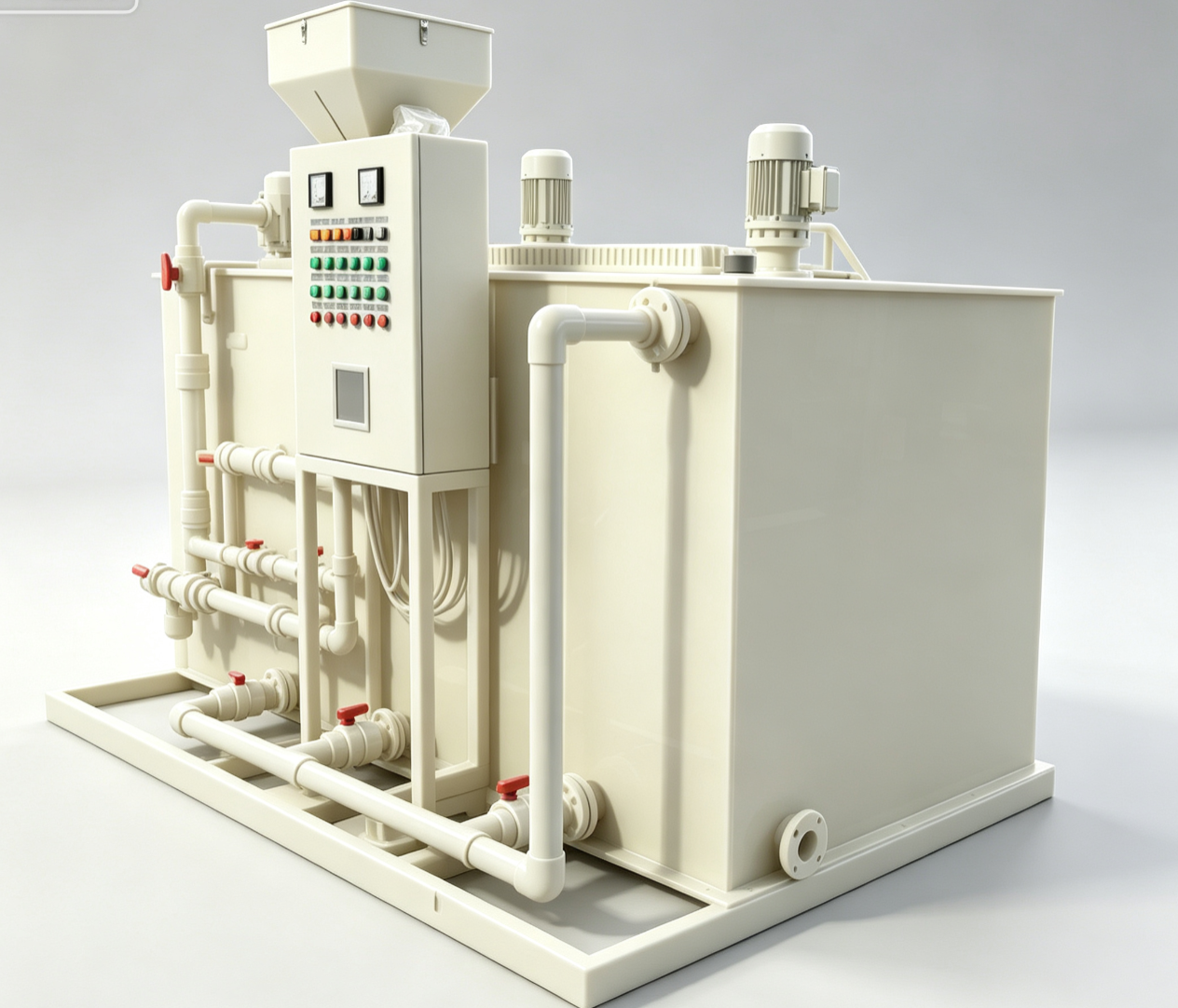 02
Water Treatment & Sludge Dewatering
Calculate the required amount of chemical liquid from the chemical injection rate in g/kg-DS, and check the effective tank capacity and aging time. Organize the design conditions for the preparation equipment and quantitative injection equipment.
Read article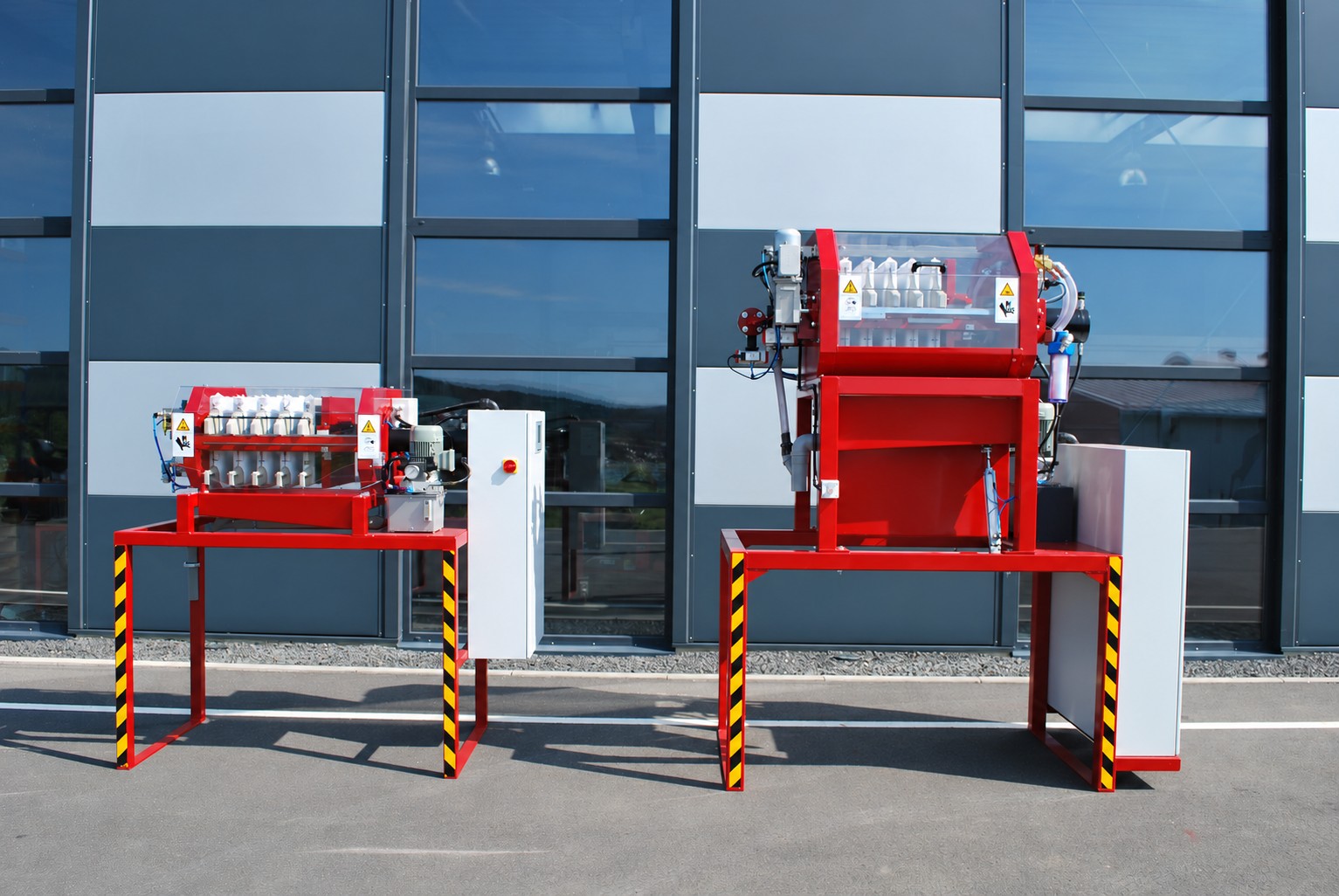 03
Water Treatment & Sludge Dewatering
Understand pressure filtration through filtration resistance, the relationship between chamber volume, daily dry solids throughput and cycle time, and the parameters to verify through testing.
Read article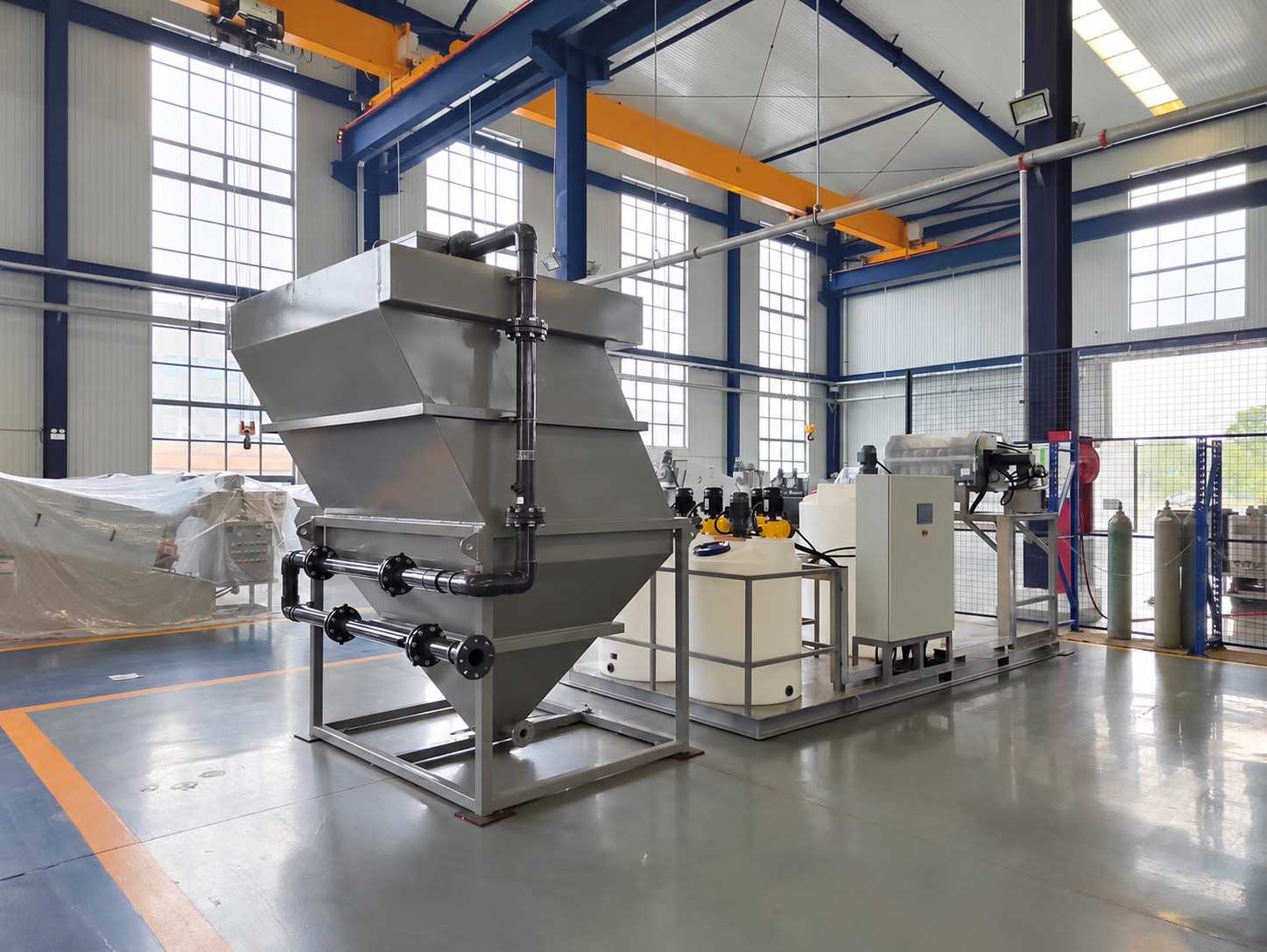 04
Water Treatment & Sludge Dewatering
Sedimentation separation using inclined pipes was evaluated from both the water volume and SS load. We will explain flow rate fluctuations, coagulation conditions, and capacity matching with post-stage dewatering.
Read article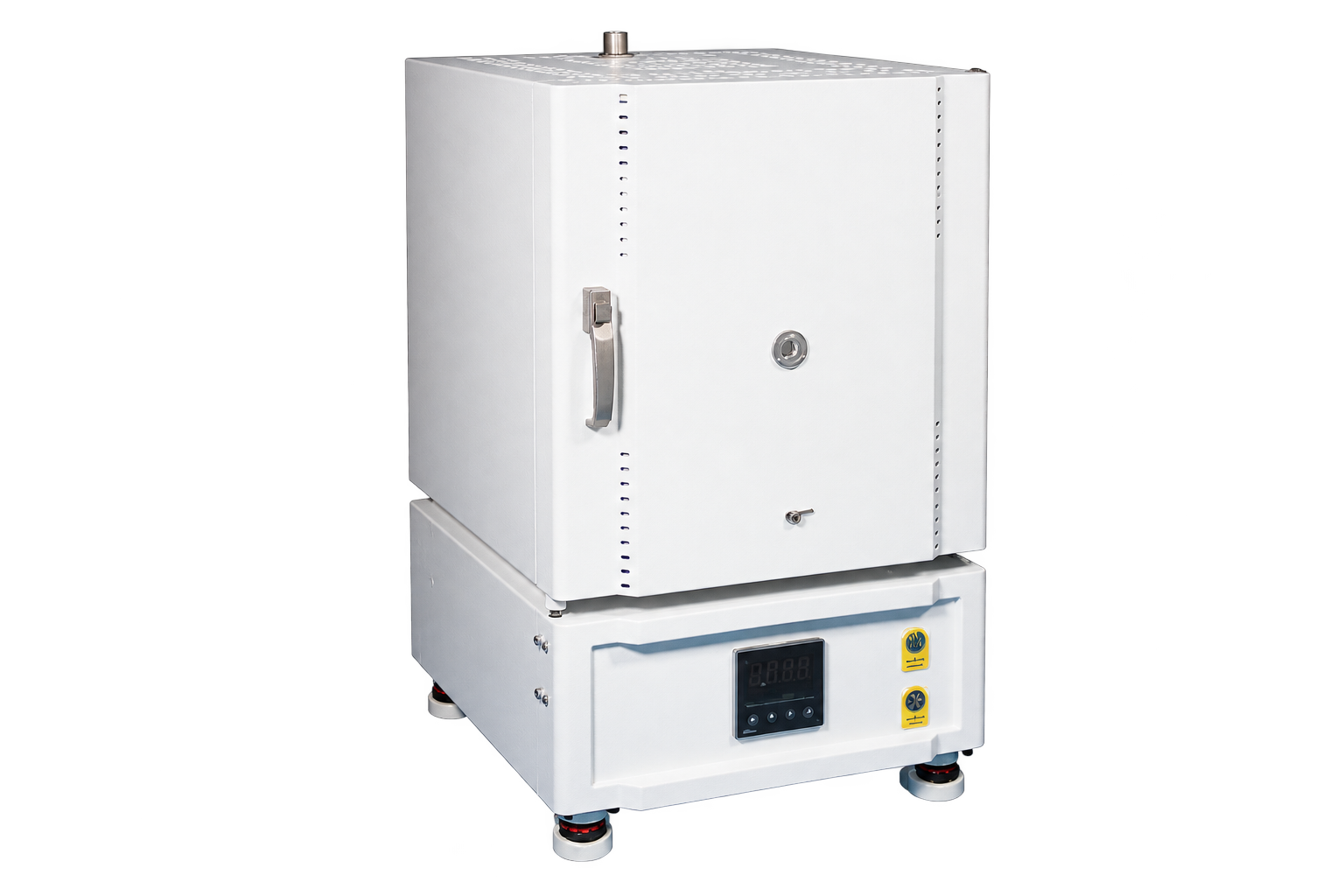 05
Heating/heat treatment equipment
In addition to differences in furnace type, selection conditions are organized by distinguishing display temperature and sample temperature, heating length and soaking length, gas displacement and vacuum performance.
Read article06Equipment selection/comparison
Plan a filter press replacement by checking existing operating conditions, filtration and hydraulic closing pressures, installation clearances, delivery access and changeover downtime.
Read article07Drying/Carbonization Equipment
Calculate water removal and weight reduction from sludge throughput and moisture content. Learn how to compare kW, kWh and kWh per kilogram of water removed when choosing a low-temperature heat pump dryer.
Read articlePRODUCT INFORMATION
CONTACT
We will provide you with as much information as possible, including processing targets, required capabilities, and installation conditions.