Drying/Carbonization Equipment
COLUMN 09Combining a Filter Press with a Low-Temperature Heat Pump Dryer for Sludge Treatment
Compare the theoretical water balance at 70% and 60% cake moisture, then assess batch discharge, continuous feeding, buffering and total treatment cost.
Contents of this article
01Mechanical dewatering and thermal drying
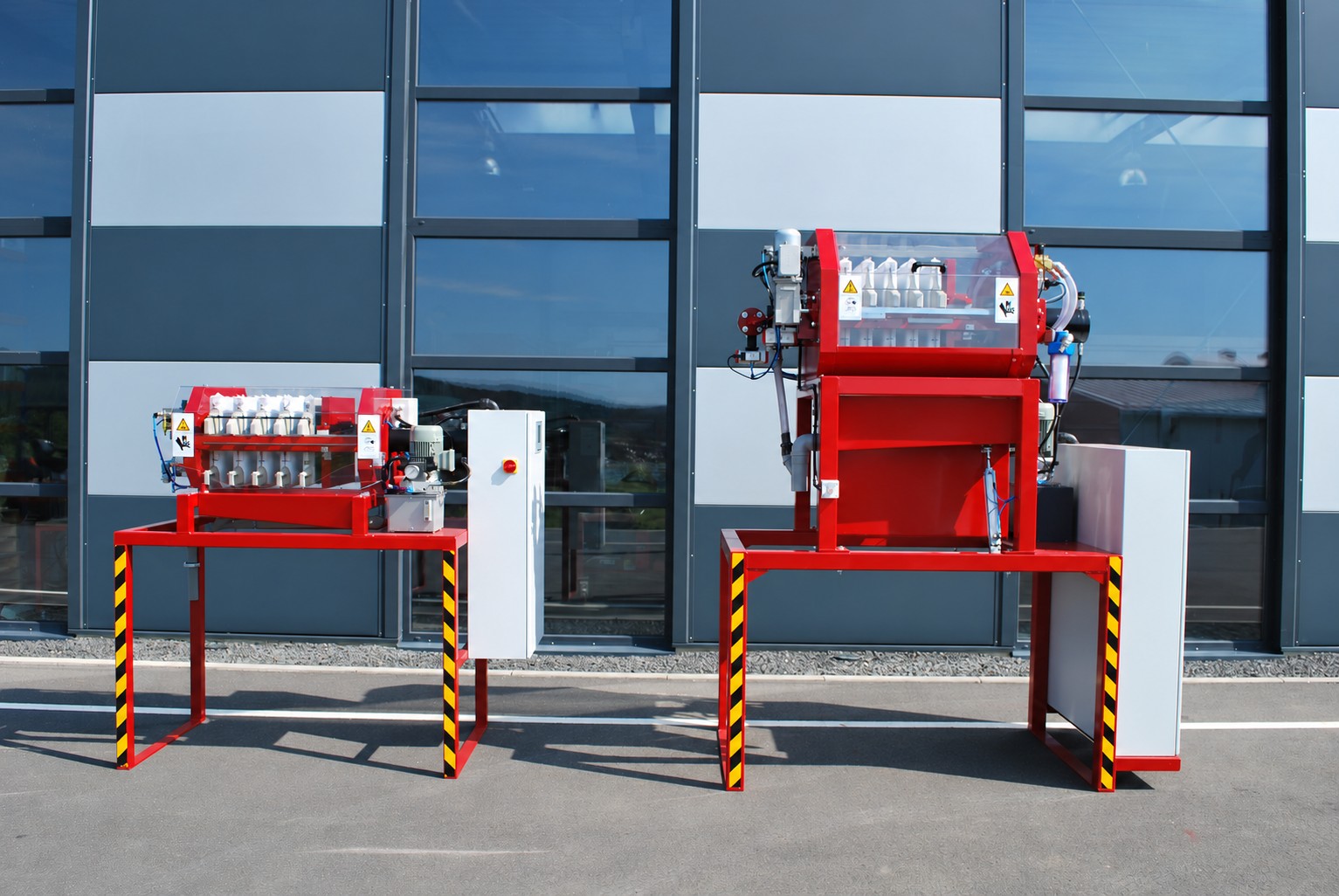
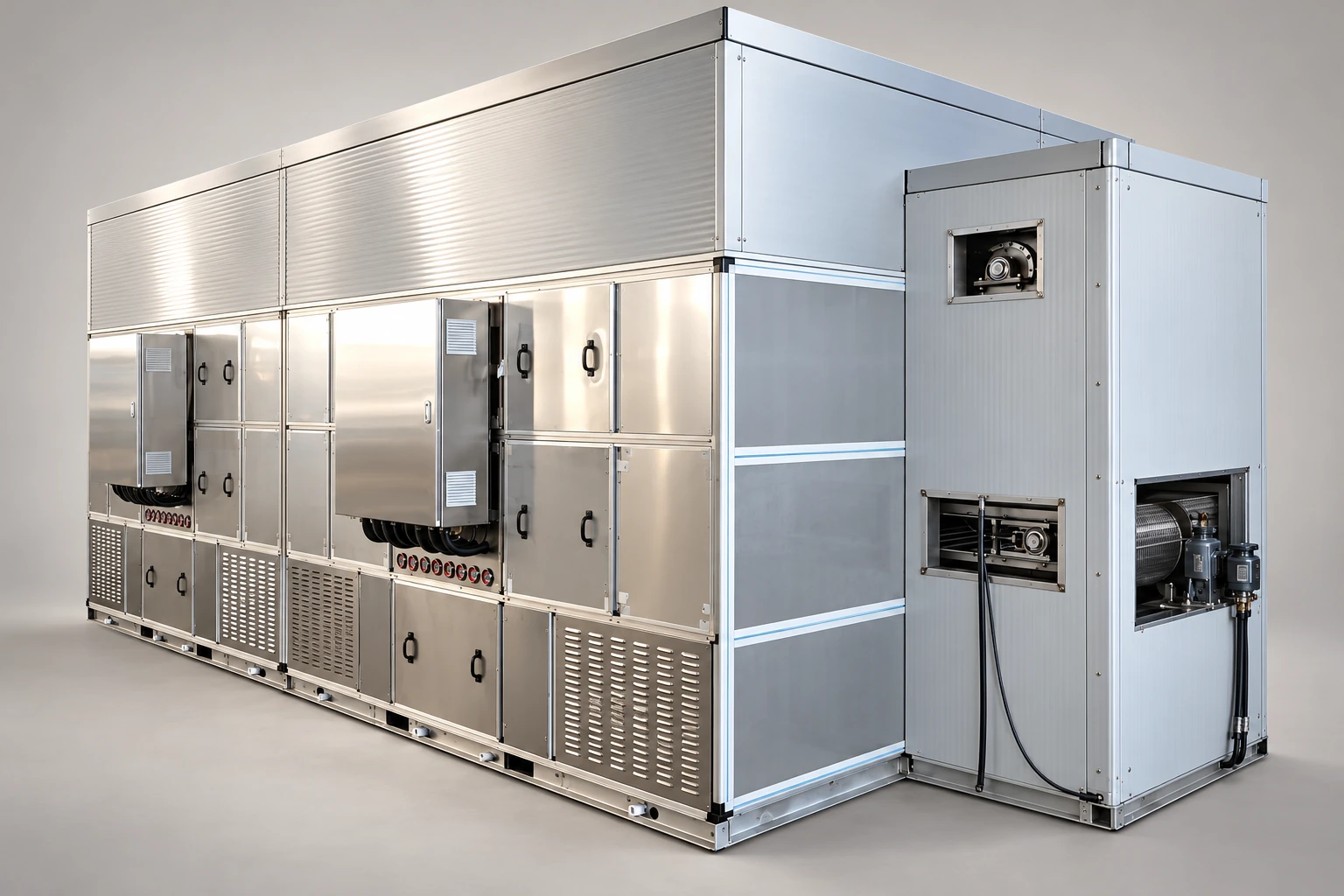
A filter press uses pressure to separate water from solids through filter cloths and discharges a dewatered cake. A low-temperature heat pump dryer evaporates water from that cake, then cools the circulating air to collect the water as condensate. Size the downstream drying stage and select the feed system around the cake properties that the upstream equipment can achieve consistently.
02How upstream dewatering affects water removal
Assume 1 t/day of dry solids and an outlet moisture target of 30% on a wet basis. Divide the dry solids mass by the solids mass fraction at each point to obtain the wet sludge mass. The difference between inlet and outlet mass gives the theoretical water removal in the dryer.
| Item | 70% inlet moisture | 60% inlet moisture |
|---|---|---|
| Dryer inlet mass | 3.33 t/day | 2.50 t/day |
| Dried sludge mass | 1.43 t/day | 1.43 t/day |
| Water removed in dryer | 1.90 t/day | 1.07 t/day |
The calculation assumes that dry solids remain constant and only water is removed. Confirm equipment capacity and energy use through sludge testing under representative operating conditions.
03Matching press discharge to dryer feed
When a filter press discharges batches and a belt dryer takes a continuous feed, check the cake mass per batch, discharge interval and hourly dryer feed rate. Depending on the timing mismatch, consider a buffer hopper, conveyor and metered feeder. Cake adhesion or bridging in storage and access for cleaning also affect the layout.
Longer squeezing can lower cake moisture while reducing the number of cycles per day. If changes to conditioning or squeezing make cake harder or stickier, assess whether it can be broken up and extruded reliably.
04Comparing total treatment costs
Compare electricity, conditioning chemicals, maintenance such as cloth replacement, transport and disposal at the same dry solids throughput. Check the receiving facility's moisture limits and minimum haulage charges when estimating the value of reducing outbound mass.
KISEI SHOJI supplies both filter presses and low-temperature heat pump dryers. We can review whether to retain the existing press or replace it as part of the project, considering cake properties, footprint, transfer routes and cleaning access.
Equipment shown for reference.