Heating/heat treatment equipment
COLUMN 05Muffle vs Tube Furnaces: Uniformity, Sample Temperature & Atmosphere
In addition to differences in furnace type, selection conditions are organized by distinguishing display temperature and sample temperature, heating length and soaking length, gas displacement and vacuum performance.
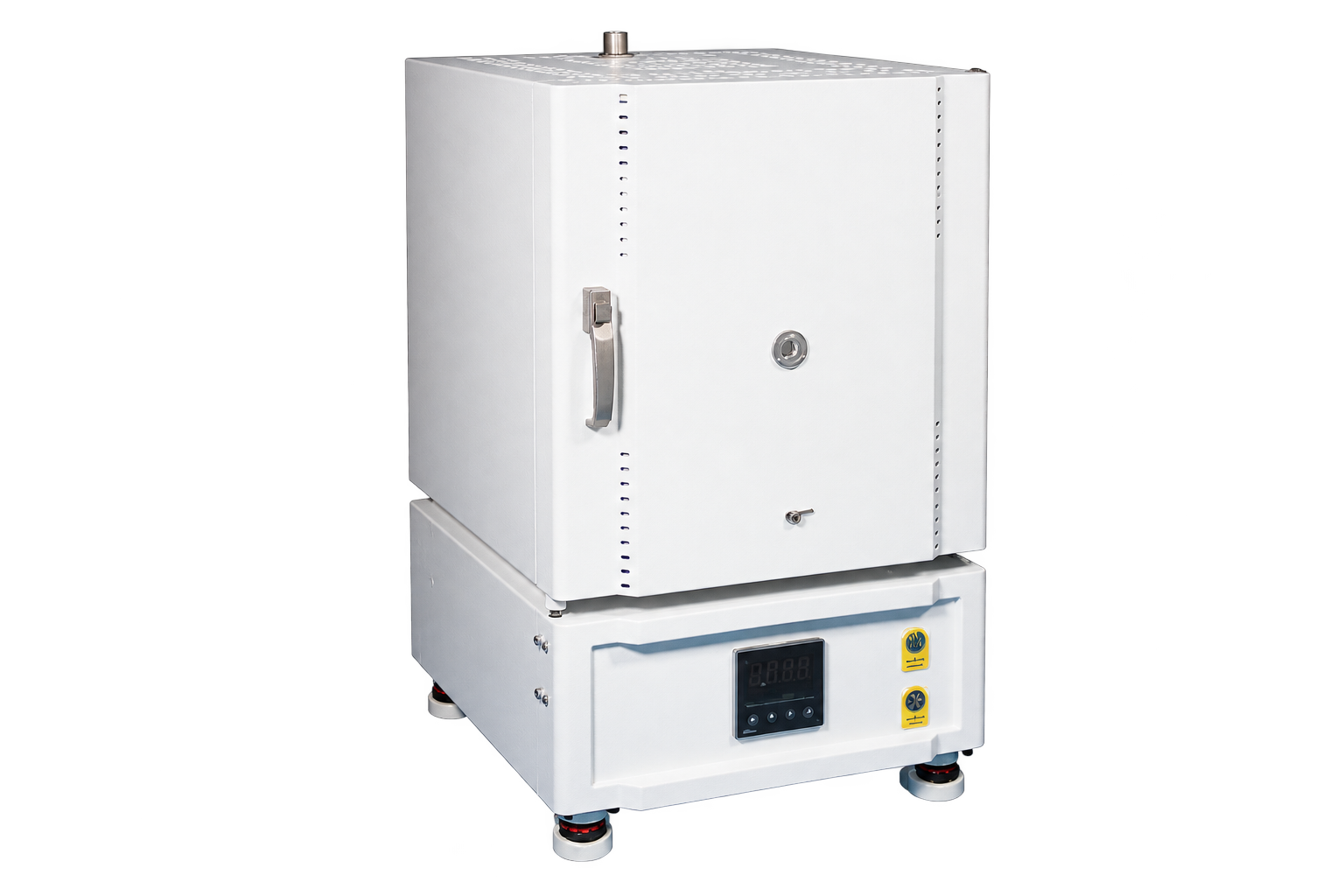
Selecting a muffle or tube furnace requires more than comparing maximum temperatures and chamber volumes. Temperature distribution across the sample zone, the sample's heating response and the atmosphere during the hold all affect repeatability. This article explains how the different chamber and tube arrangements translate into specifications and evaluation criteria for your process.
Contents of this article
- 01Muffle Furnace heats the sample in a box-shaped furnace chamber.
- 02Tube Furnace uses the inside of the furnace tube as a processing space.
- 03Separate the maximum temperature from the temperature at which you will actually continue using it.
- 04Narrow down the necessary configuration based on sample dimensions and atmosphere
- 05Distinguish between control accuracy, temperature distribution, and sample tracking
- 06Compare installation environment and maintenance
01Muffle Furnace heats the sample in a box-shaped furnace chamber.
A conventional box-type muffle furnace is loaded through a door. Samples in crucibles or other containers are placed inside the chamber for heating. Select chamber dimensions and the loading arrangement according to sample shape, batch quantity and the intended heating test or heat-treatment process.
A sample fitting physically inside the chamber does not establish that it can be processed under the required conditions. Review container material and size, sample quantity, gas evolution and temperature requirements. Do not assume that a standard box furnace supports vacuum or protective atmospheres; confirm a configuration designed for the required atmosphere.
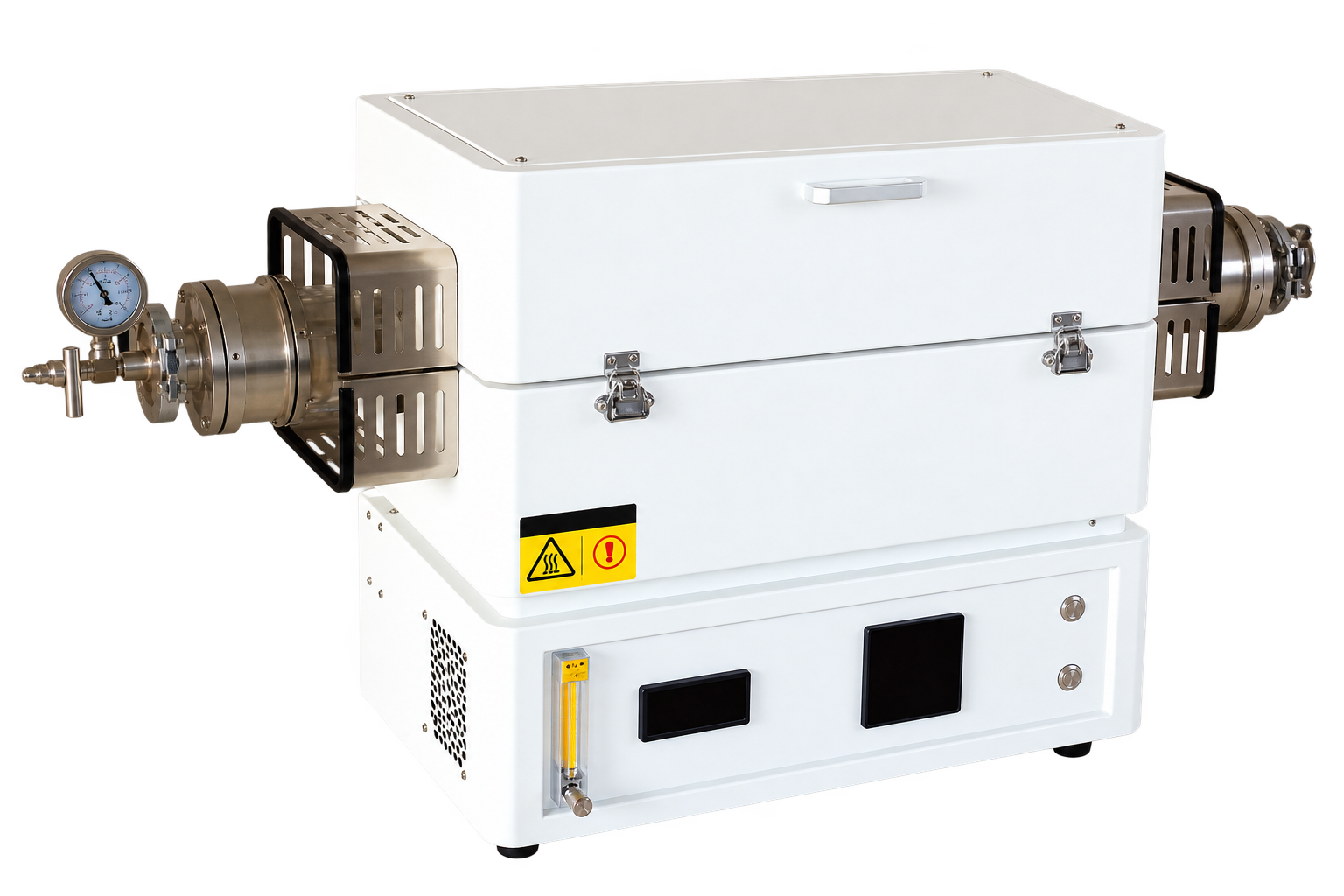
02Tube Furnace uses the inside of the furnace tube as a processing space.
A tube furnace processes samples inside a tube passing through the heating zone. The sample is placed in a boat or container at the required position within the tube. Depending on the configuration, end flanges and piping can provide connections for process gas or a vacuum system.
Not every tube furnace is suitable for vacuum or protective-atmosphere operation. Check tube material and dimensions, seals, pressure limits and gas compatibility. The ability to introduce gas does not by itself mean that flammable or reactive gases may be used.
03Separate the maximum temperature from the temperature at which you will actually continue using it.
The maximum temperature in a specification table may differ from the recommended temperature for routine operation. Provide the normal operating temperature, hold time, daily cycle frequency and loaded operating conditions, and confirm the manufacturer's recommended operating range.
Temperature assessment must cover the sample-zone temperature distribution as well as controller display accuracy. For a tube furnace, distinguish total tube length, heated length and usable uniform-temperature length. For a muffle furnace, do not assume uniform conditions throughout the chamber; check sample placement against the required uniformity.
04Narrow down the necessary configuration based on sample dimensions and atmosphere
For a muffle furnace, define the dimensions and quantity of samples including their containers, and how they will be loaded and removed. For a tube furnace, check internal diameter as well as external diameter, container dimensions and handling clearance. Tube material must also suit the temperature and atmosphere.
For atmosphere-controlled applications, define the gas, required flow and pressure, vacuum requirements and exhaust handling. Confirm whether gas-supply equipment and the vacuum pump are included in the quotation. Also assess how gases or deposits released by the sample may affect the tube and heating components.
If sample throughput is expected to increase, share that forecast during selection. Simply enlarging the chamber or tube may not preserve the same temperature distribution or processing time. Define containers and batch loading to establish the necessary heating zone and control arrangement.
05Distinguish between control accuracy, temperature distribution, and sample tracking
Control stability, spatial temperature uniformity and measurement accuracy are separate measures. A control thermocouple reading close to the setpoint does not establish that the entire sample has reached that temperature. Containers, loading quantity and placement affect sample heating lag, so verification under actual loading is necessary.
Even a requirement such as holding at 1,000°C for 1 hour produces a different thermal history depending on whether timing starts when the controller or the sample reaches temperature. Where sample temperature matters, verify its response with suitable independent measurement and define the start of the hold. Record thermocouple type, position and calibration conditions.
Heated length is not the same as the length meeting the specified temperature-uniformity tolerance. Confirm the uniform-temperature length together with temperature, tube diameter, insulation plugs, gas flow and loading conditions. Multiple heating zones can help adjust end effects but do not guarantee the required uniform zone under every condition.
Assess ultimate vacuum pressure separately from residual gas composition after purging. Leaks, outgassing from the sample or container, and feed-gas purity all matter; a pressure reading alone cannot determine residual oxygen. Define the required controls, such as oxygen concentration, before confirming measurement methods and system configuration.
06Compare installation environment and maintenance
Review electrical supply, heat-dissipation clearance, ventilation, exhaust and the surrounding working environment. In addition to the furnace width, a tube furnace needs space on both sides for handling the tube and samples. Plan protection from hot surfaces and emergency stopping arrangements to suit actual use.
For long-term operation, compare consumable items such as heating elements, thermocouples and tubes, together with replacement procedures. Maintenance requirements depend on temperature and sample conditions. Compare configurations and maintenance under consistent operating conditions rather than judging by price and maximum temperature alone.
KISEI SHOJI can help confirm furnace specifications from the sample type and dimensions, application, normal operating temperature, hold time, atmosphere and installation conditions. You can discuss the planned test conditions with us even before deciding between a box furnace and a tube furnace.
When comparing quotations, align the scope of the furnace, temperature controls, tube or sample containers, gas system, vacuum system and installation work. Equipment included can differ even under the same furnace-type name. Confirm that the complete configuration supports the intended tests so any additional items can be identified before installation.
Photos are for reference of appearance and configuration. Partial enlargements are displayed from the same image. It does not indicate individual delivery results or standard delivery scope.