Water Treatment & Sludge Dewatering
COLUMN 02Polymer Preparation & Dosing: Dose, Concentration & Maturation Time
Calculate the required amount of chemical liquid from the chemical injection rate in g/kg-DS, and check the effective tank capacity and aging time. Organize the design conditions for the preparation equipment and quantitative injection equipment.
A polymer preparation system cannot be selected from its rated L/h alone. Start with the dosing rate per unit of sludge dry solids to calculate chemical demand and solution flow, then allow sufficient dissolution and maturation time. Distinguish preparation concentration from dilution at the dosing point. This article uses a powder-polymer system to explain preparation capacity and supply-system design.
Contents of this article
- 01Consider the process of dissolving the chemical and the process of injecting it separately.
- 02Flow of powder supply, dissolution, stirring, and aging
- 03Three tank integrated structure separates processes and combines them.
- 04Consider preparation capacity based on the required amount of chemical solution
- 05Calculate the required chemical amount and effective tank capacity from the chemical injection rate
- 06Check the scope of automation and daily management
01Consider the process of dissolving the chemical and the process of injecting it separately.
Chemical dosing equipment can refer to anything from solution preparation units to metering pumps. First define the scope of powder storage and feeding, dissolution and maturation, and delivery of the prepared solution to the treatment process.
Even an integrated preparation unit may not include every dosing pump, solution tank and pipe as standard. Verify solution-making capacity separately from the ability to deliver the required dose to the required location. Align the quotation scope using drawings and an equipment list.
02Flow of powder supply, dissolution, stirring, and aging
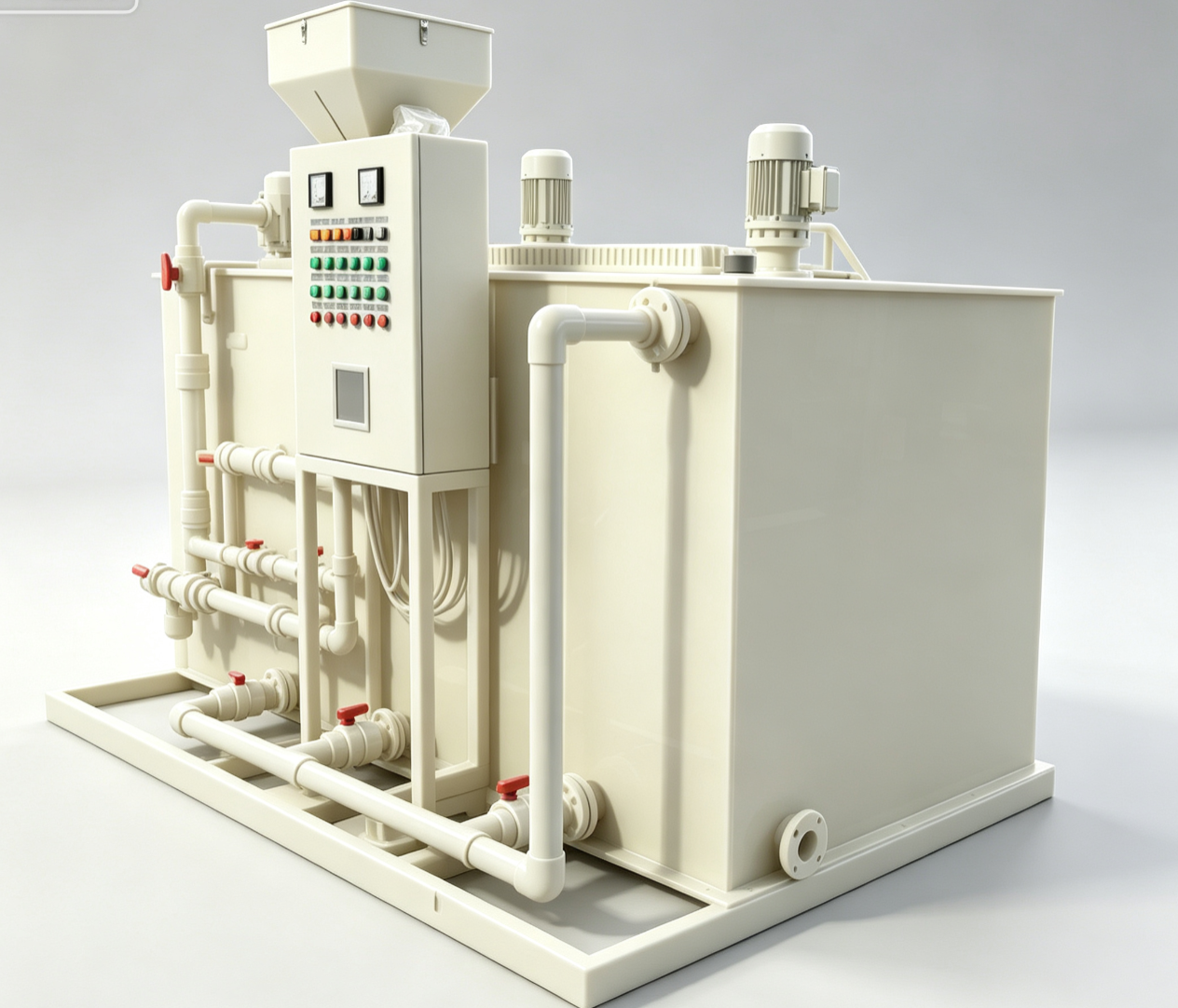
The basic sequence is powder feeding, water supply, dissolution and mixing, maturation, then delivery of prepared solution. Meter the powder into water, establish conditions for adequate dissolution and provide the necessary maturation time before supplying the downstream process.
The relationship between powder feed and water flow determines preparation concentration. Mixing conditions and maturation time also depend on the polymer. Do not assume one setting suits every chemical: check the chemical specifications and equipment configuration. If undissolved powder or lumps remain, review powder feeding, water supply and mixing conditions.
Assess preparation by whether the system can continuously supply the required solution quantity and concentration, not simply whether it is running. When changing chemicals, confirm settings suited to the new dissolution characteristics instead of retaining the previous water flow and mixing conditions unchanged.
03Three tank integrated structure separates processes and combines them.
The integrated polymer preparation unit we offer uses three connected compartments for the preparation stages. Separate compartments support the successive stages before the solution is supplied downstream. Confirm each compartment's function and the liquid-transfer arrangement against the selected specification.
External dimensions alone cannot establish whether sufficient maturation time is available. Check usable tank volume and residence time against the required supply rate. If demand varies during the day, state continuous demand separately from short-term peak demand.
04Consider preparation capacity based on the required amount of chemical solution
Begin selection with the chemical name and form, preparation concentration and required solution flow. Sludge volume alone is insufficient for sizing. Establish chemical consumption from sludge dry solids and flocculation tests, then determine the hours available to prepare and supply it.
The same mass of chemical requires more solution volume when prepared at a lower concentration. Changing concentration also changes tank and pump requirements, so do not compare L/h ratings alone. Keep preparation concentration distinct from any additional dilution before dosing.
For replacement projects, record daily chemical consumption, batches prepared per day, batch volume and the time taken to use each batch. Documenting conditions previously managed through operator experience helps define which stages should be automated and which tasks still require operator oversight.
05Calculate the required chemical amount and effective tank capacity from the chemical injection rate
If dosing rate D is expressed in g active ingredient/kg-DS and feed dry solids load F in kg-DS/h, active ingredient demand is P = F × D/1,000 [kg/h]. Distinguish this from a dose based on commercial product mass and confirm its active ingredient fraction. Inconsistent bases between tests and design can lead to an incorrect supply requirement.
For example, F = 100 kg-DS/h and D = 5 g/kg-DS give P = 0.5 kg/h. At an assumed active ingredient concentration of 2 kg/m³, solution demand is P ÷ 2 = 0.25 m³/h, or 250 L/h. These dose and concentration values are calculation assumptions, not recommended settings.
For continuous systems, assess the effective liquid volume rather than nominal tank capacity. Approximate residence time is τ = effective volume/solution flow. At 0.25 m³/h, providing 0.5 hours would require an effective volume of 0.125 m³. This estimate ignores uneven flow and short-circuiting; it does not determine total tank volume or the required maturation time.
Confirm maturation time, preparation concentration and water quality for each chemical. Compartment design and level control must prevent immature solution being supplied during peak demand. Select dosing pumps for discharge pressure, solution viscosity and adjustment range as well as flow; matching the preparation unit's rated flow alone is insufficient.
06Check the scope of automation and daily management
Level sensing and the control panel can coordinate water supply, powder feeding and mixing. Automatic operation still requires powder replenishment, feed checks and cleaning. Define how the preparation unit and downstream equipment should stop if water, chemical supply or liquid levels become abnormal.
Plan working space for chemical replenishment, water and drainage, electrical supply and suitable chemical storage. Configurations with indoor control panels need a separate suitability review if installed outdoors. Choose wetted materials and cleaning methods compatible with the chemical.
KISEI SHOJI can help define the system configuration from the chemical type, preparation concentration, solution demand and connections to dewatering or other equipment. Please describe current operation if you want to retain an existing dosing pump or replace manual solution preparation.
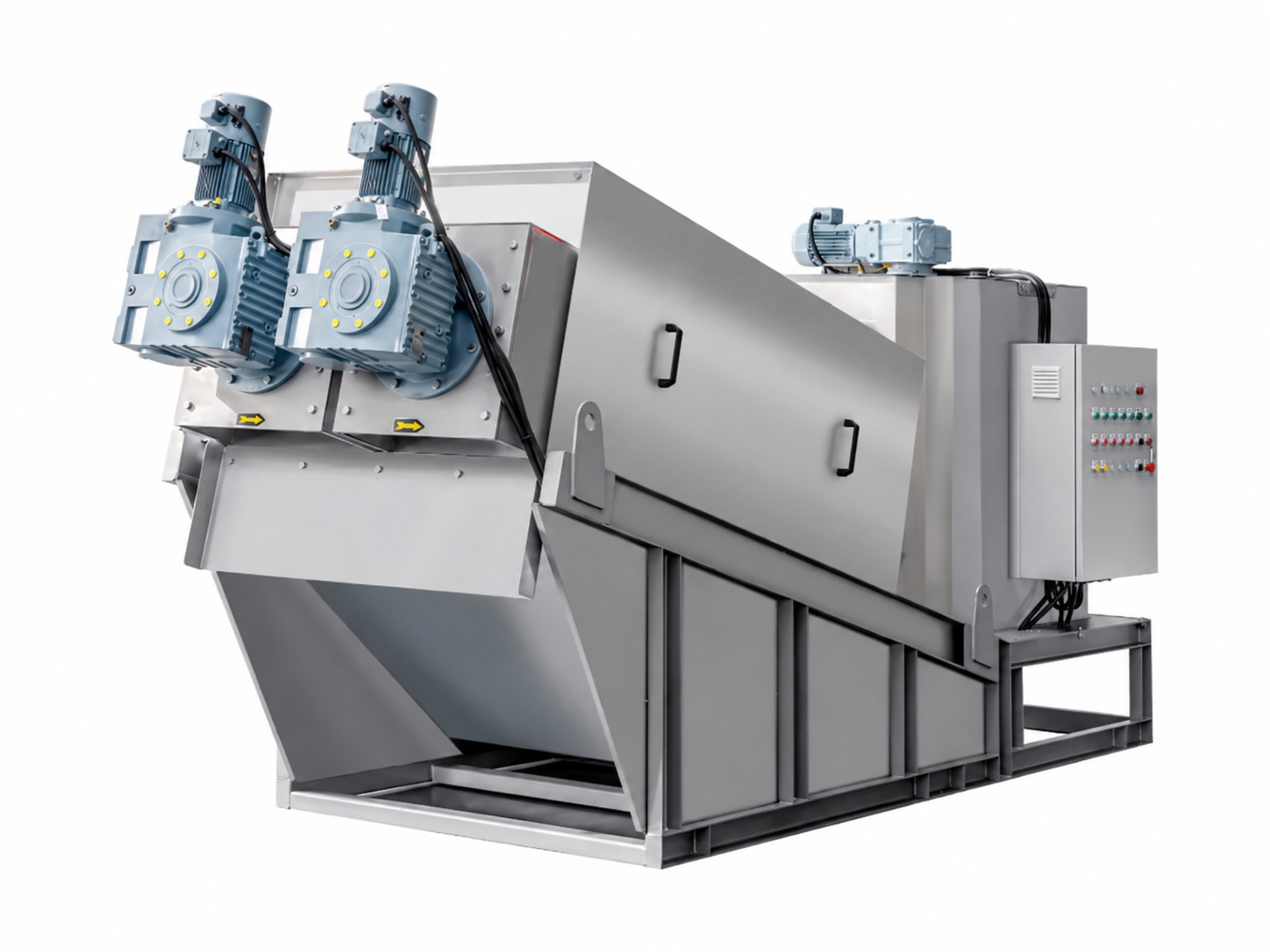
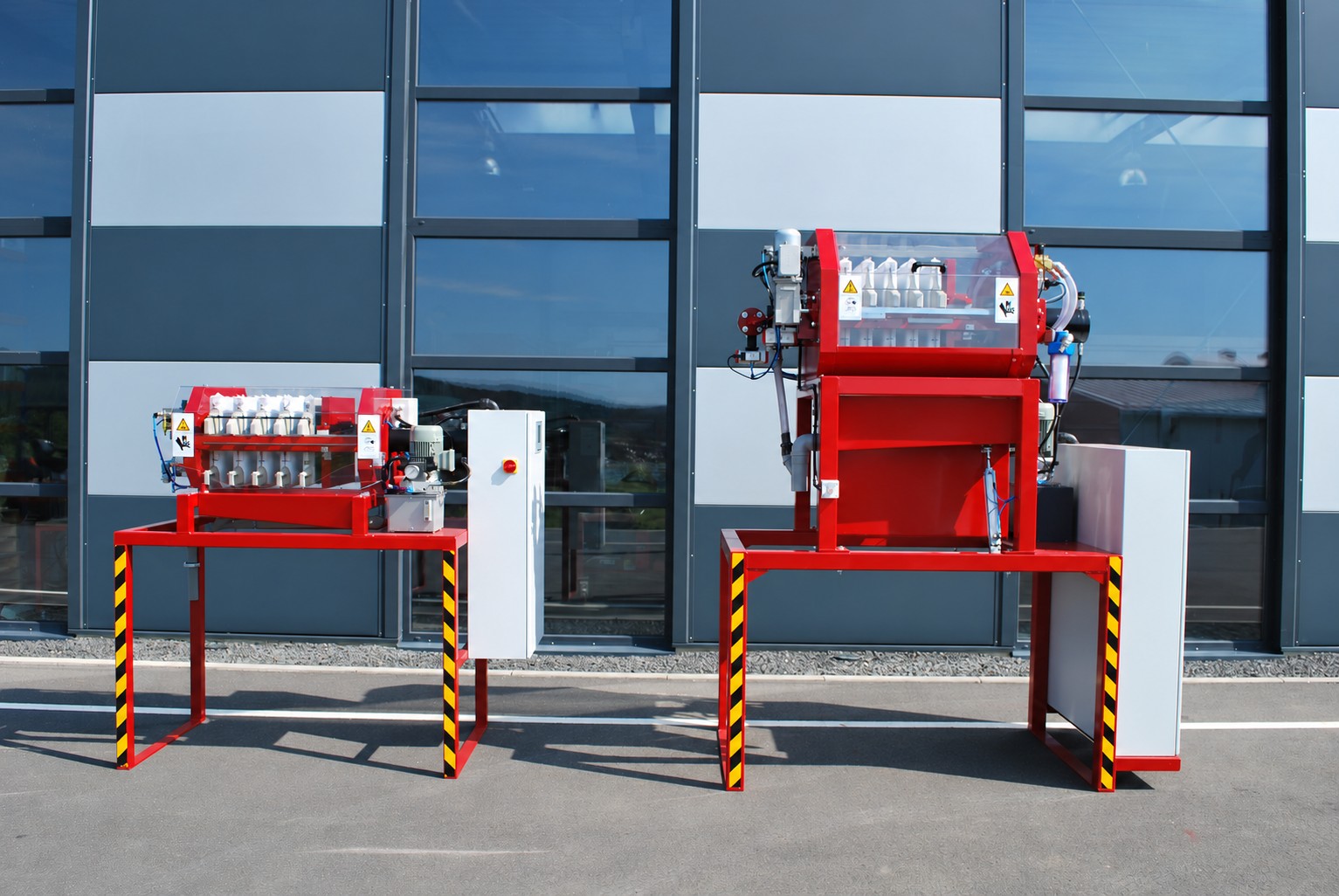
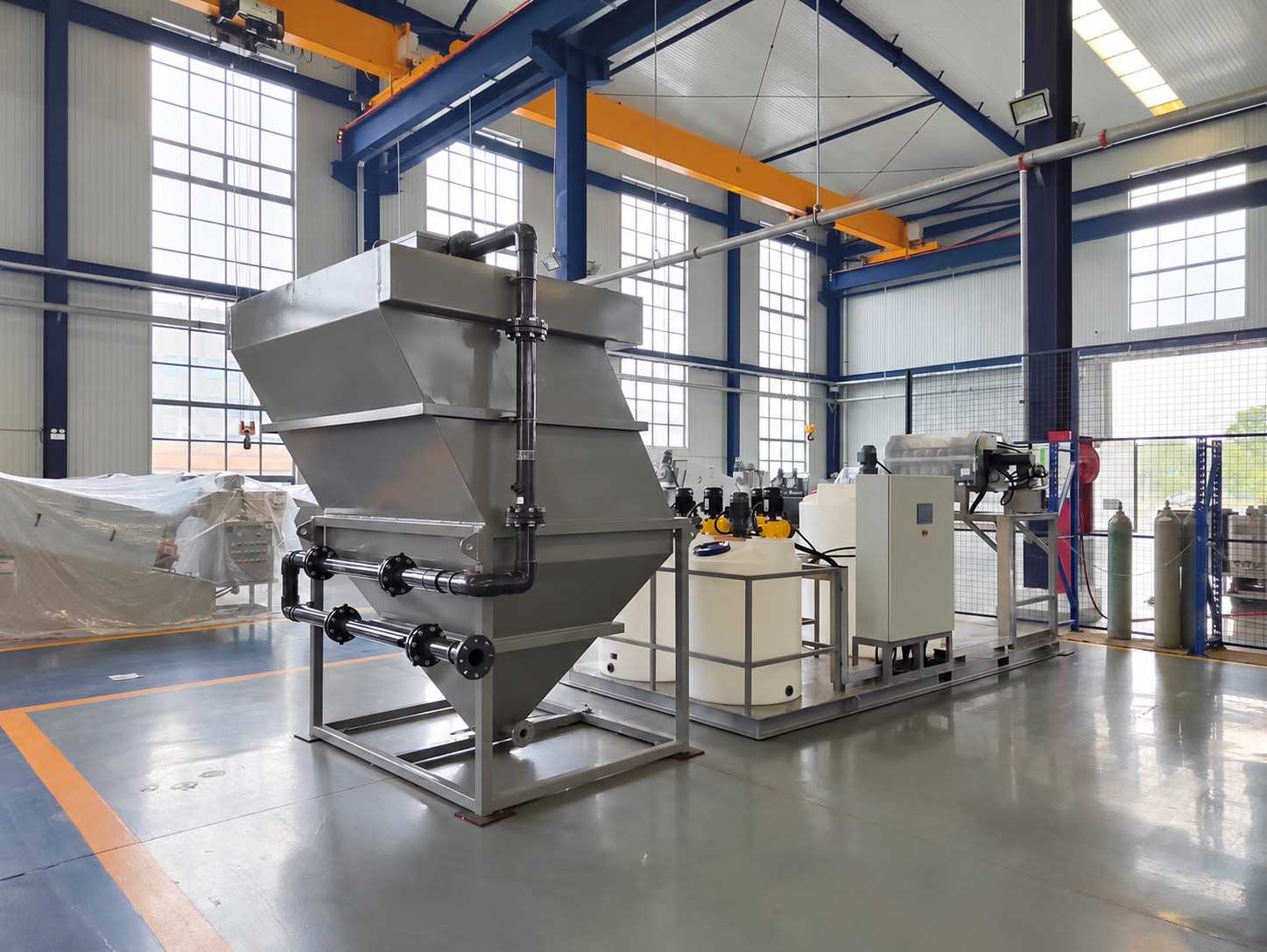
Photos are for reference of appearance and configuration. Partial enlargements are displayed from the same image. It does not indicate individual delivery results or standard delivery scope.